
Who we serve
We equip value-based care organizations, including MSOs, ACOs, and IPAs, with tools to manage patient populations and improve outcomes.
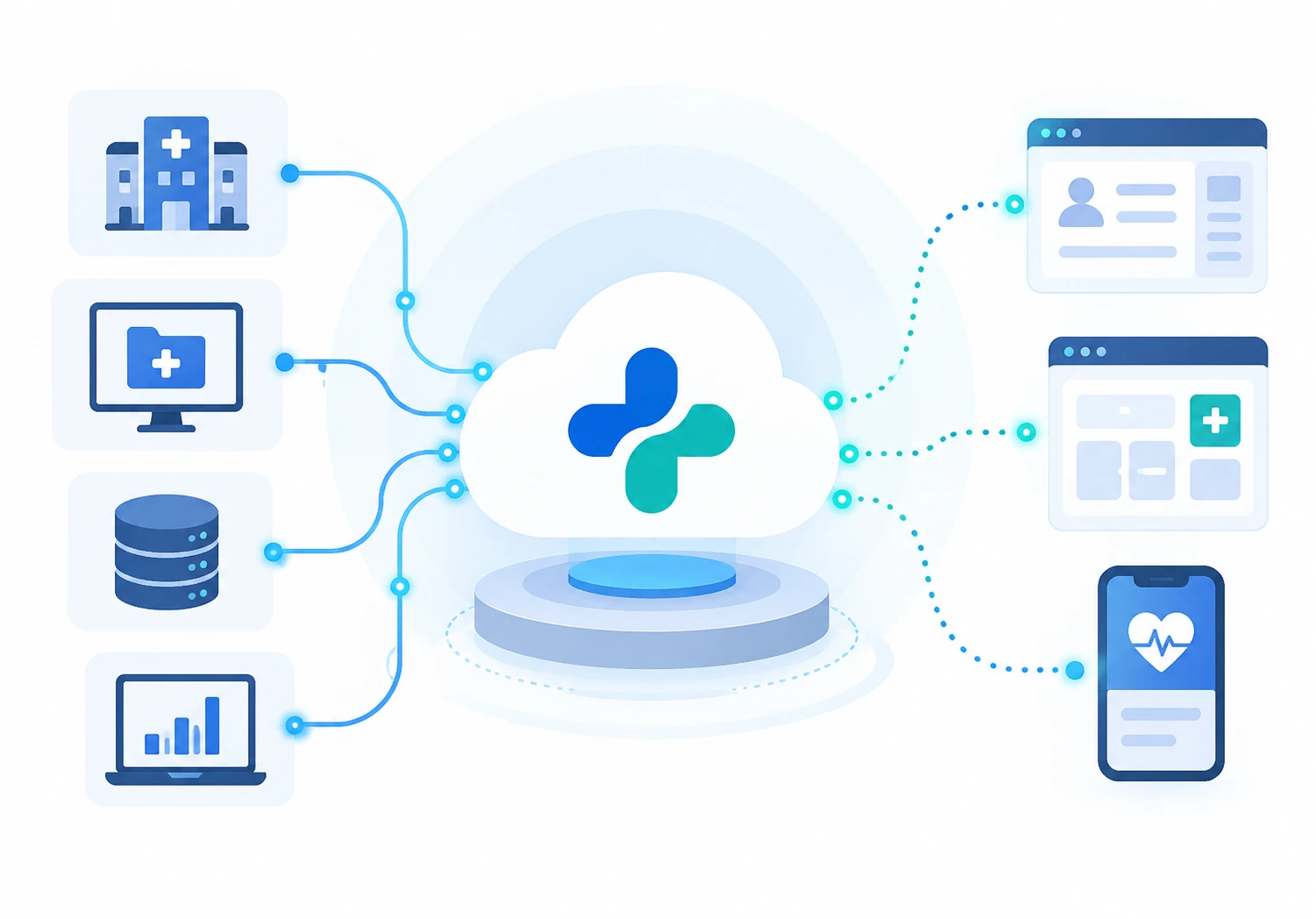
Our technology platform, SOVRINHEALTH 360™, enables seamless collaboration among care team members, strengthens connected care, and improves overall performance.
Key challenges in value-based care
Access to a real-time, 360-degree view of patient information is essential for successful value-based care delivery. Today, many organizations rely on manual workflows and workarounds, resulting in delayed and retrospective care coordination that can negatively impact quality of care and overall performance. With the right technology and actionable insights, care teams can respond faster, make informed decisions, and deliver more proactive, effective care across their entire patient population.
One platform. Multiple teams. Connected workflows.
Health360 gives different teams within risk-bearing organizations the tools and information they need to support care coordination, clinical workflows, utilization management, and proactive care intervention. Each team can leverage the platform based on its specific responsibilities—while connected data and workflows help keep the organization aligned.
Case management teams
Case management teams use SOVRINHEALTH 360™ to manage patient outreach and coordinate activities throughout the care journey. Using Health360, they can:
- Improve proactive care through real-time alerts and reports
- Reduce hospital readmits
- Convert ER to Urgent care where possible
- Streamline chronic condition management
- Track and manage care coordination activities across their assigned patient populations using Remote patient monitoring (RPM)
Providers & their staff
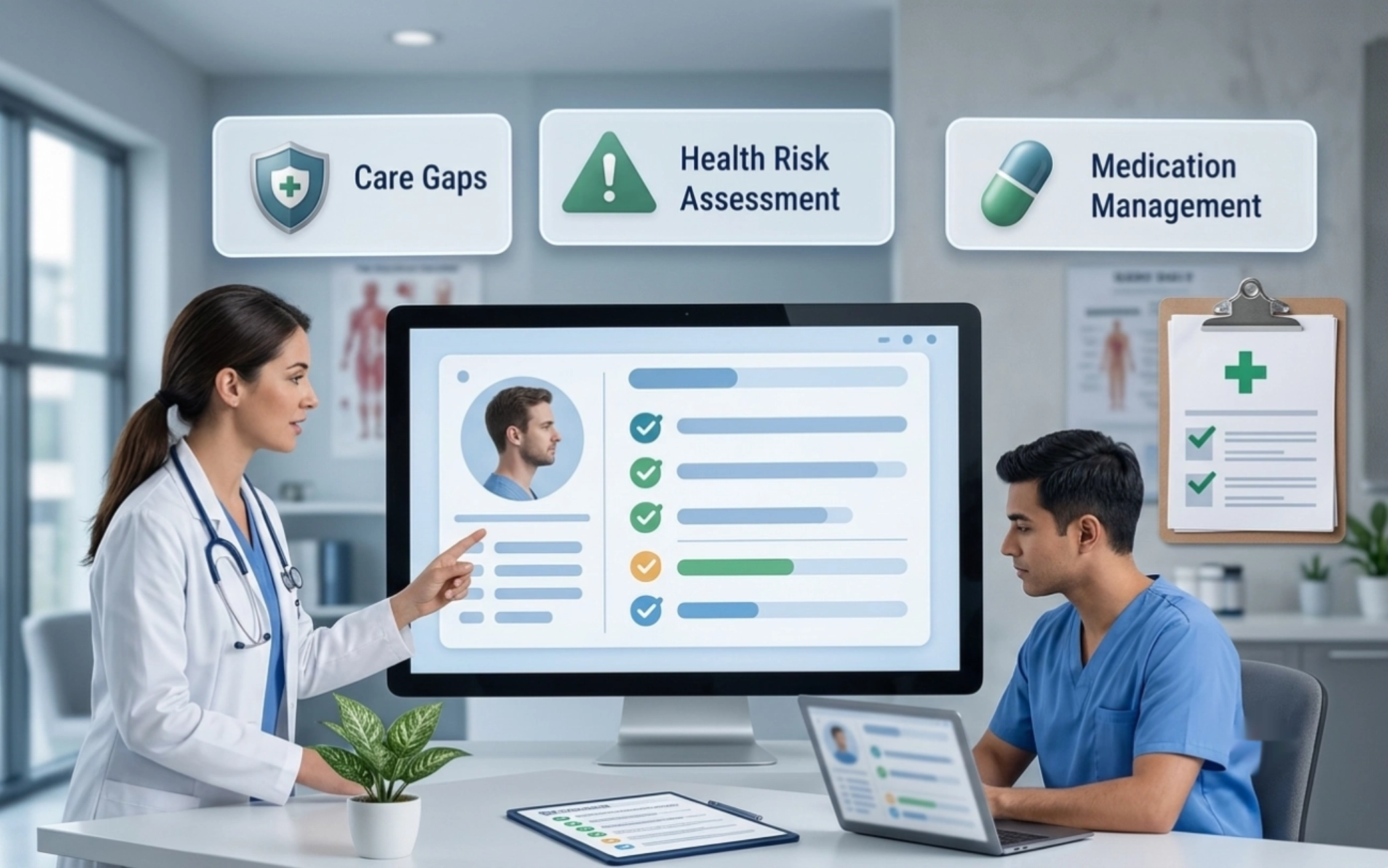
Providers and their staff use SOVRINHEALTH 360™ to access relevant patient and member information and support clinical and administrative workflows. Using SOVRINHEALTH 360™, they can:
- Manage Care gaps
- Perform health risk assessment
- Perform medication management
- Leverage automated reports and alerts to access real-time information and deliver timely, informed care
Key capabilities: medication management, care gaps, longitudinal patient data, coverage and eligibility, prior authorization

Quality management teams
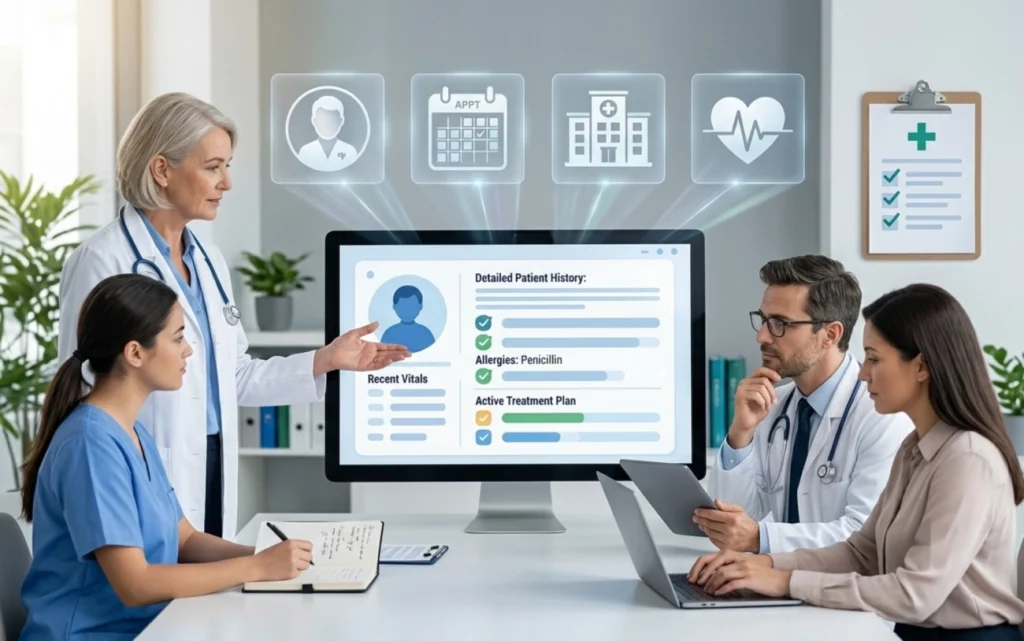
Using Health360 they can:
- Manage Care gaps
- Manage Prior Authorization
- Compliance with CMS-0057-F, Interoperability and Prior Authorization Final Rule
Support for HL7 FHIR API – Interoperability
Health360 is designed to work within the broader technology ecosystem of a client organization. Clients can integrate their applications and workflows with Health360 through FHIR-based APIs. The platform supports:
- FHIR APIs for individual resource access
- Bulk FHIR for bulk extraction of data
- Conforms to the US Core 6.1.0 specification
- Conforms to the FHIR security model